Introduction to Linear Module
Introduction to Linear Module
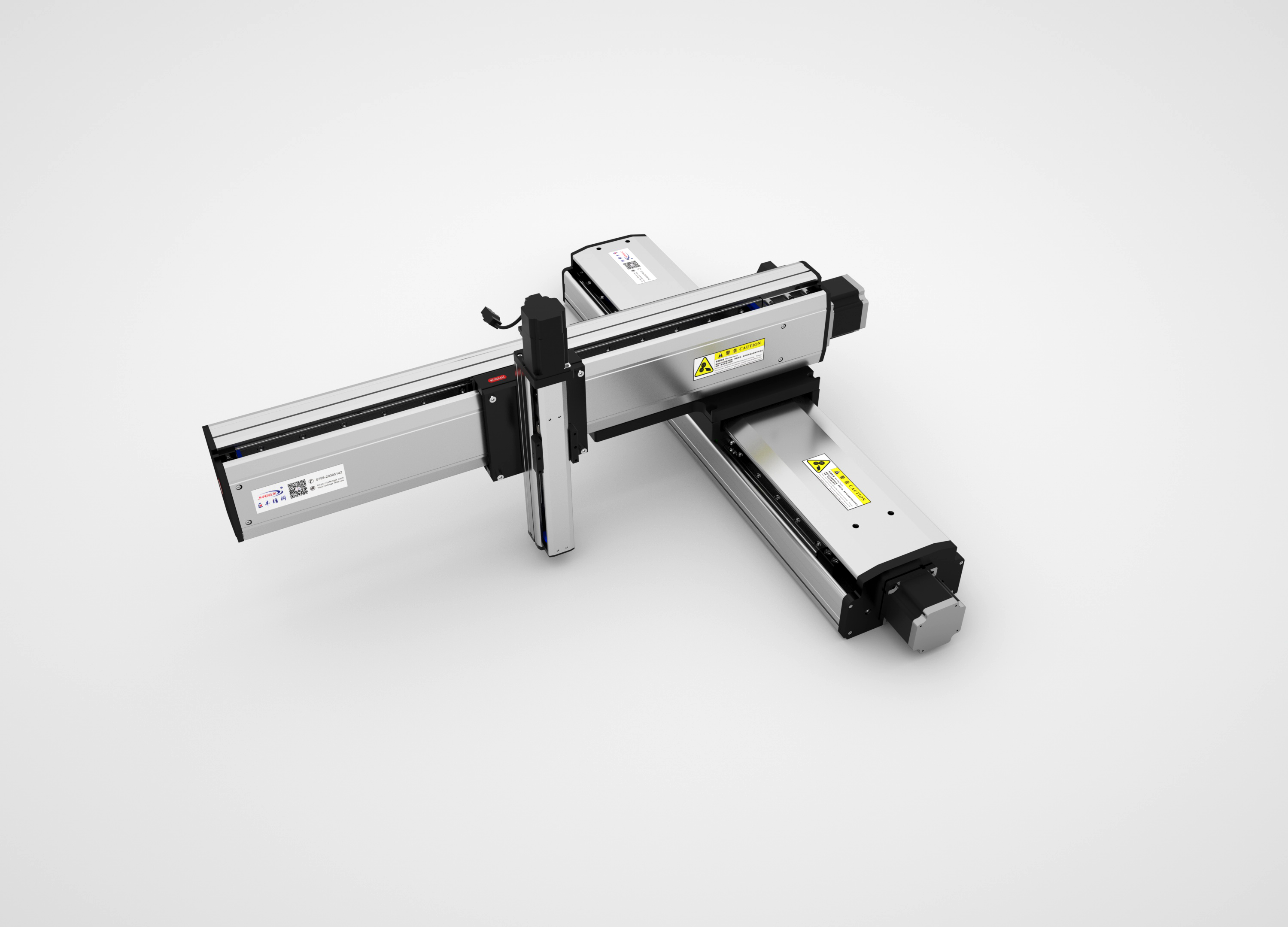
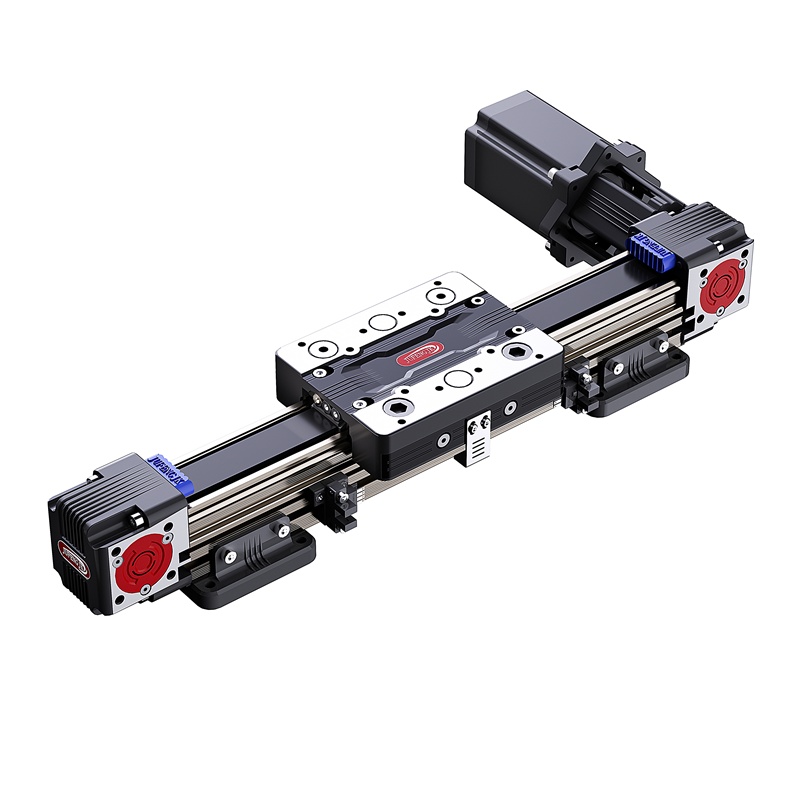
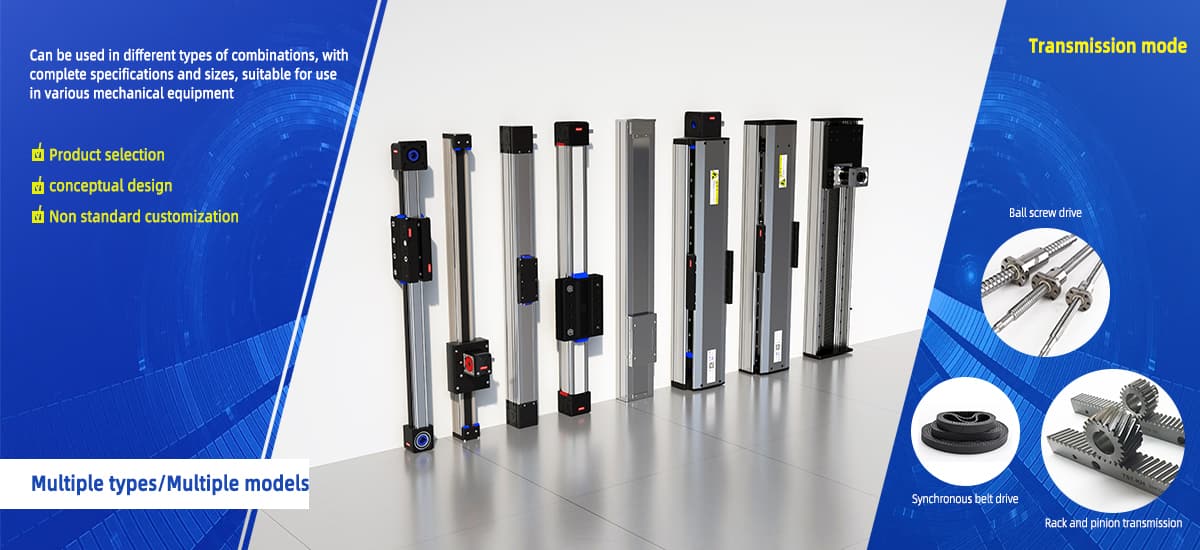
The linear module is a versatile and essential component in various industrial applications. It is designed to facilitate linear motion and transmission processes, enabling precise control and manipulation of workpieces. Here's a closer look at the key features and benefits of using linear modules in different industries:
1. High precision and repeatability: Linear modules convert rotary motion into linear motion with high accuracy and repeatability, ensuring precise positioning and control of workpieces during processing and assembly operations. This feature is particularly crucial in industries requiring high-quality output, such as aerospace, automotive, and electronics manufacturing.
2. Fast and efficient operation: Linear modules enable rapid movement and feeding of workpieces, resulting in increased production efficiency. They are often used in automated assembly lines, where quick and precise movements are necessary to keep the production process running smoothly.
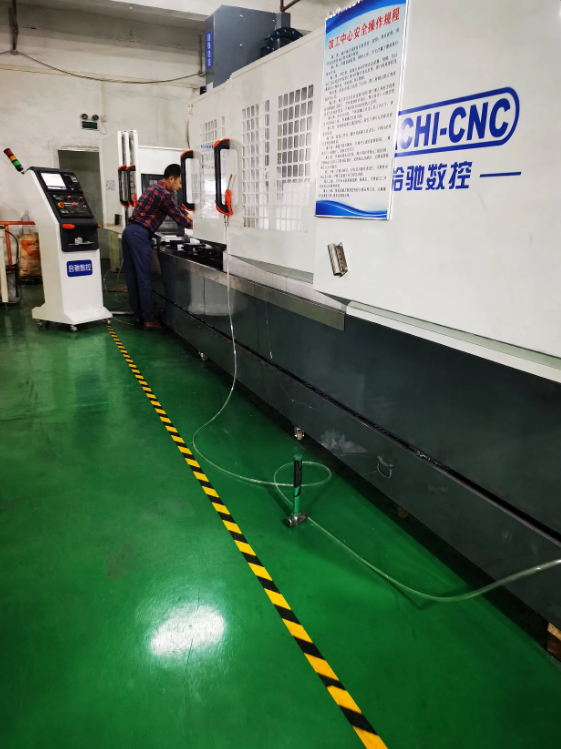
3. Wide application range: Linear modules can be used in a variety of applications, including cutting, handling, spraying, and assembly. This versatility makes them indispensable components in various industrial machines and equipment, such as CNC machine tools, robotic arms, and conveyor systems.
4. Rugged and durable construction: Linear modules are designed to withstand heavy-duty operations and harsh industrial environments. Their robust construction ensures long-lasting performance and low maintenance requirements, making them a cost-effective solution for industrial applications.
5. Easy integration and control: Linear modules can be easily integrated into existing machinery and production lines, providing a seamless upgrade or retrofit. They can be controlled by programmable logic controllers (PLCs), industrial computers, or other control devices, enabling seamless integration into automated systems.
6. Reduced labor costs: By automating various operations, linear modules help reduce labor costs associated with manual handling and positioning of workpieces. This leads to increased productivity and cost savings in the long run.
7. Enhanced safety: Linear modules can help improve safety in the workplace by reducing the risk of accidents and injuries associated with manual handling of heavy or hazardous materials.
8. Scalability and adaptability: Linear modules can be easily scaled or adapted to accommodate changing production requirements or expanding machinery capabilities. This flexibility allows manufacturers to respond quickly to market demands and maintain a competitive edge.
In summary, linear modules offer a versatile and efficient solution for linear positioning and transmission applications in various industries. By providing high precision, rugged construction, and easy integration, they can significantly enhance production efficiency, automation levels, and safety while reducing labor costs. The wide range of applications and adaptability make linear modules indispensable components in modern industrial machinery and production lines.
Ready to choose a linear module for your machine? Explore our range of belt-driven linear modules and ball screw linear actuators, or contact our engineers on WhatsApp +86 137 9839 6296 / email [email protected] for a free selection recommendation.