JFJK210S Ball Screw Linear Actuator
200 kg horizontal on 25 mm dual rails
1600 mm/s on a 32 mm lead
Φ32 C7 screw, ±0.01 mm
NEMA 42 and 1.0 kW servo ready
Overview
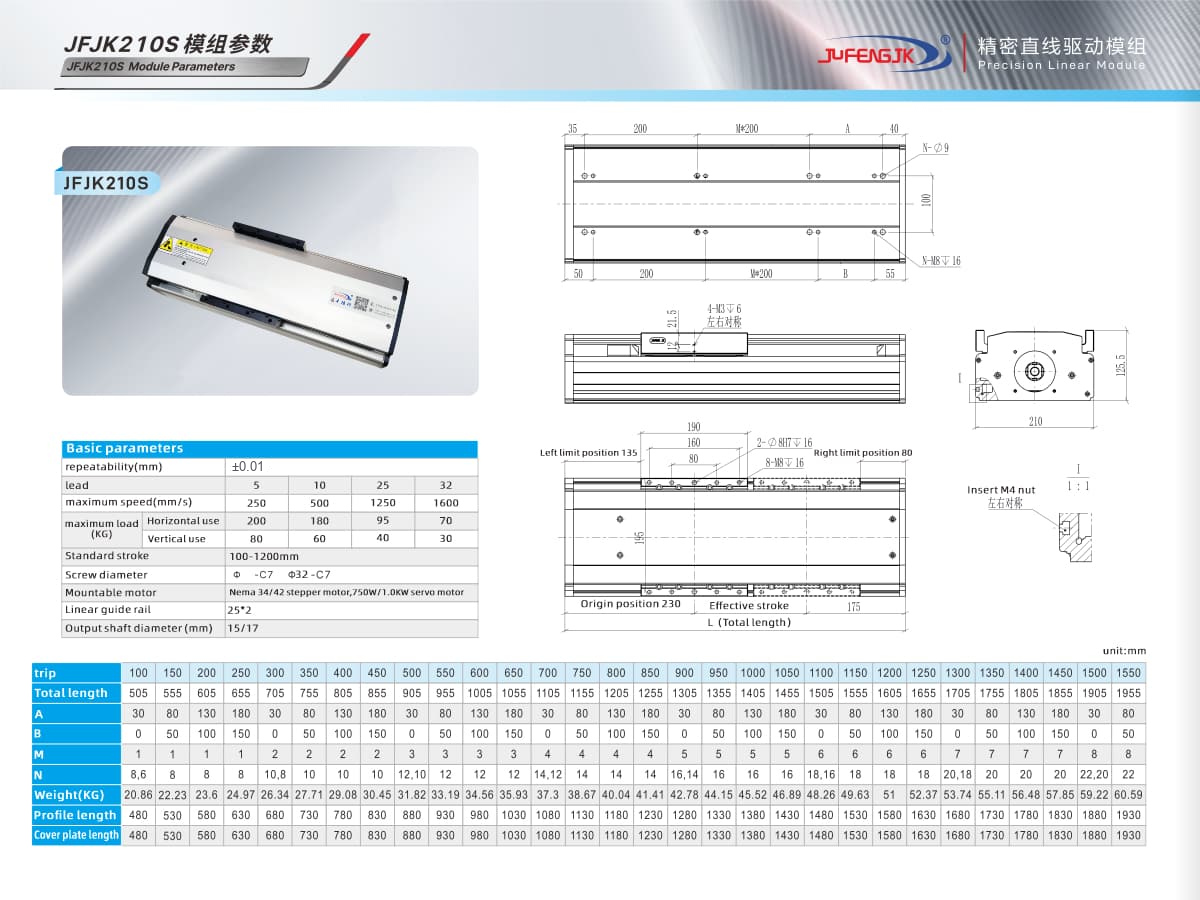
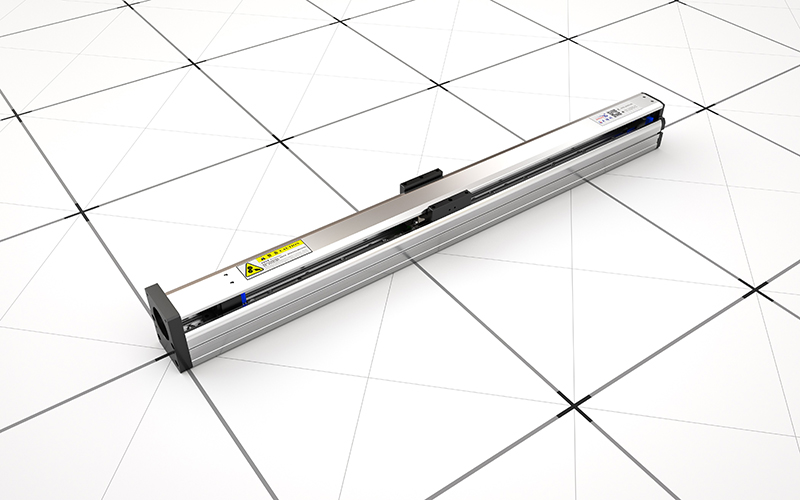
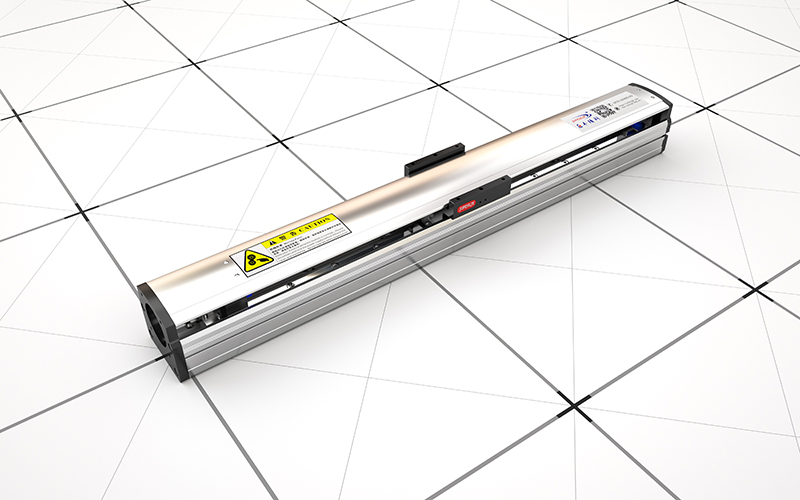
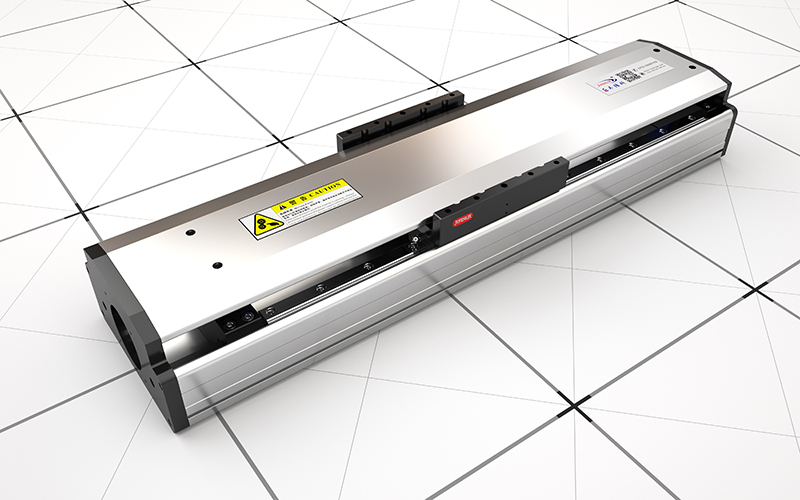
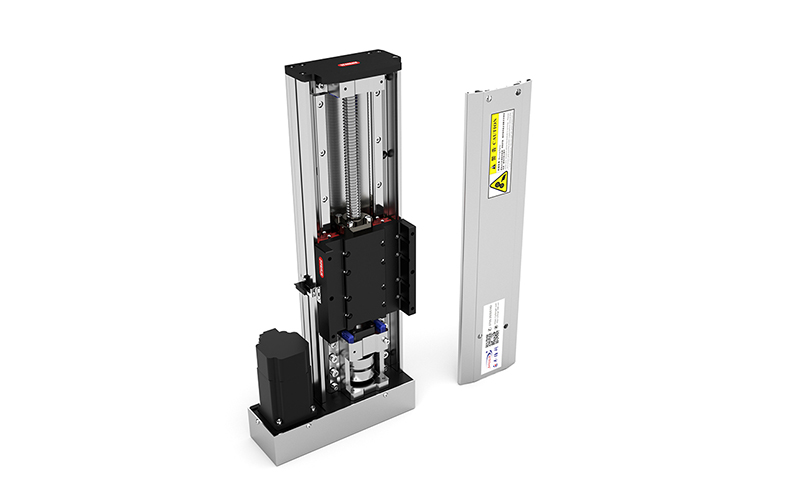
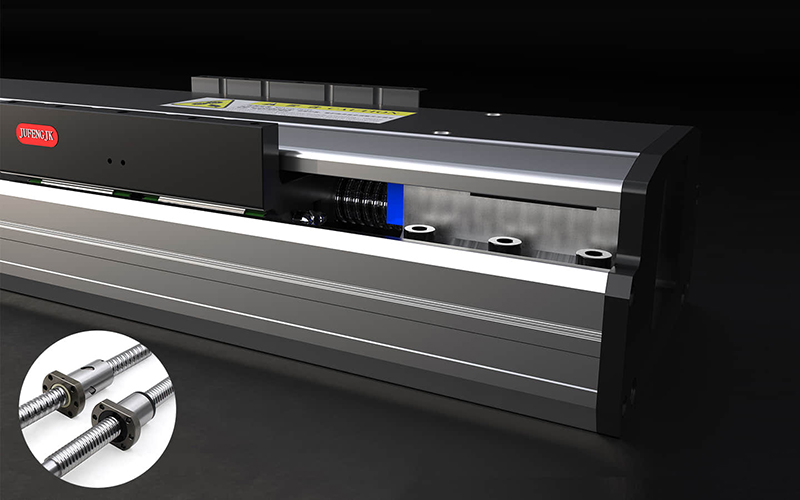
The JFJK210S is the largest module in the JFJK-S range. Two 25 mm rails, a 210 mm body and a Φ32 mm C7 ball screw take the horizontal load to 200 kg and the speed to 1600 mm/s, with repeatability held at ±0.01 mm over a standard stroke of 100 to 1200 mm.
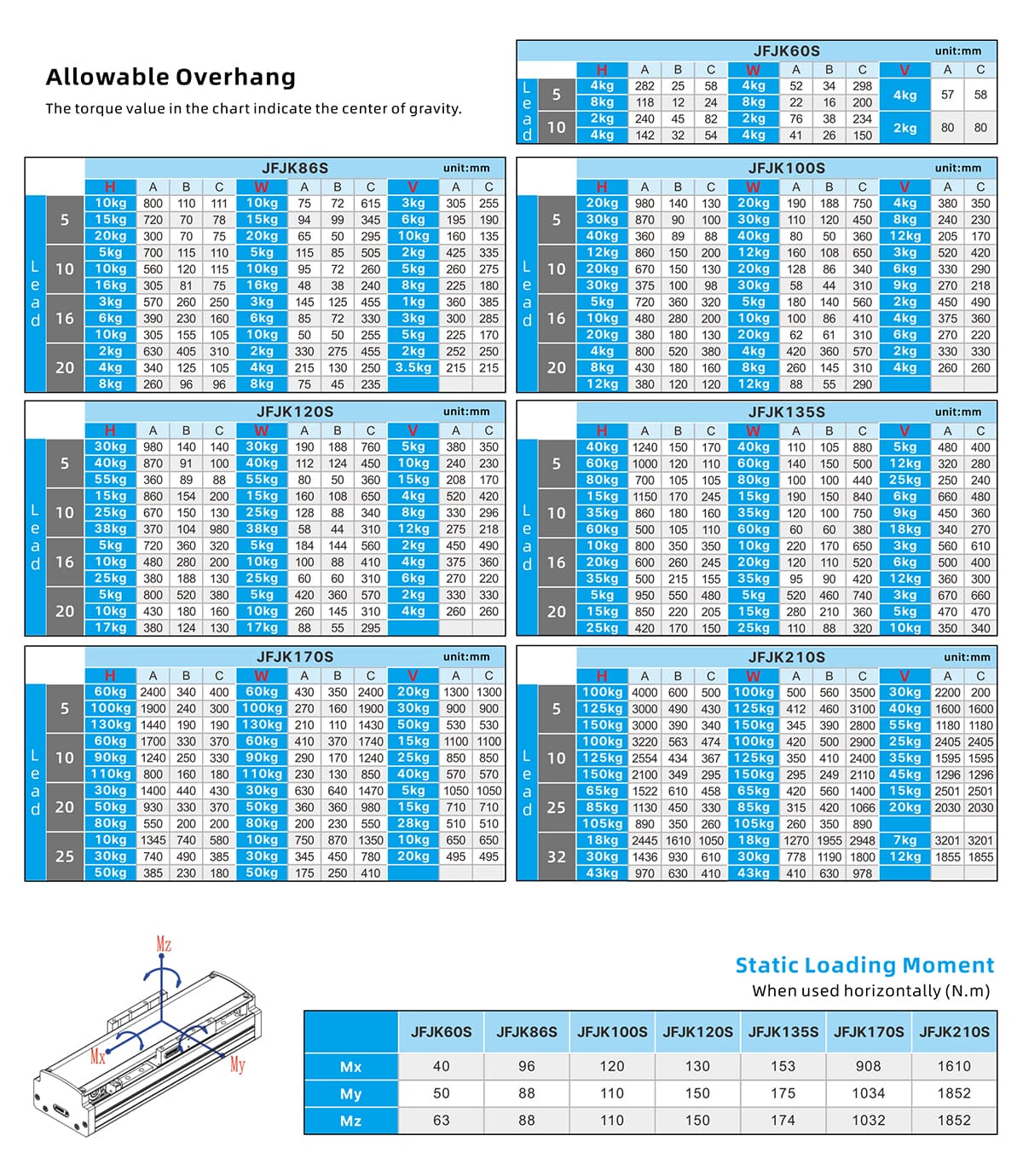
At this size the rails stop being the limiting part. What matters is the moment the carriage has to resist: a 200 kg load mounted high on the carriage produces a pitching moment that the two 25 mm rails share, and that is why the 210 frame exists rather than a longer 170S.
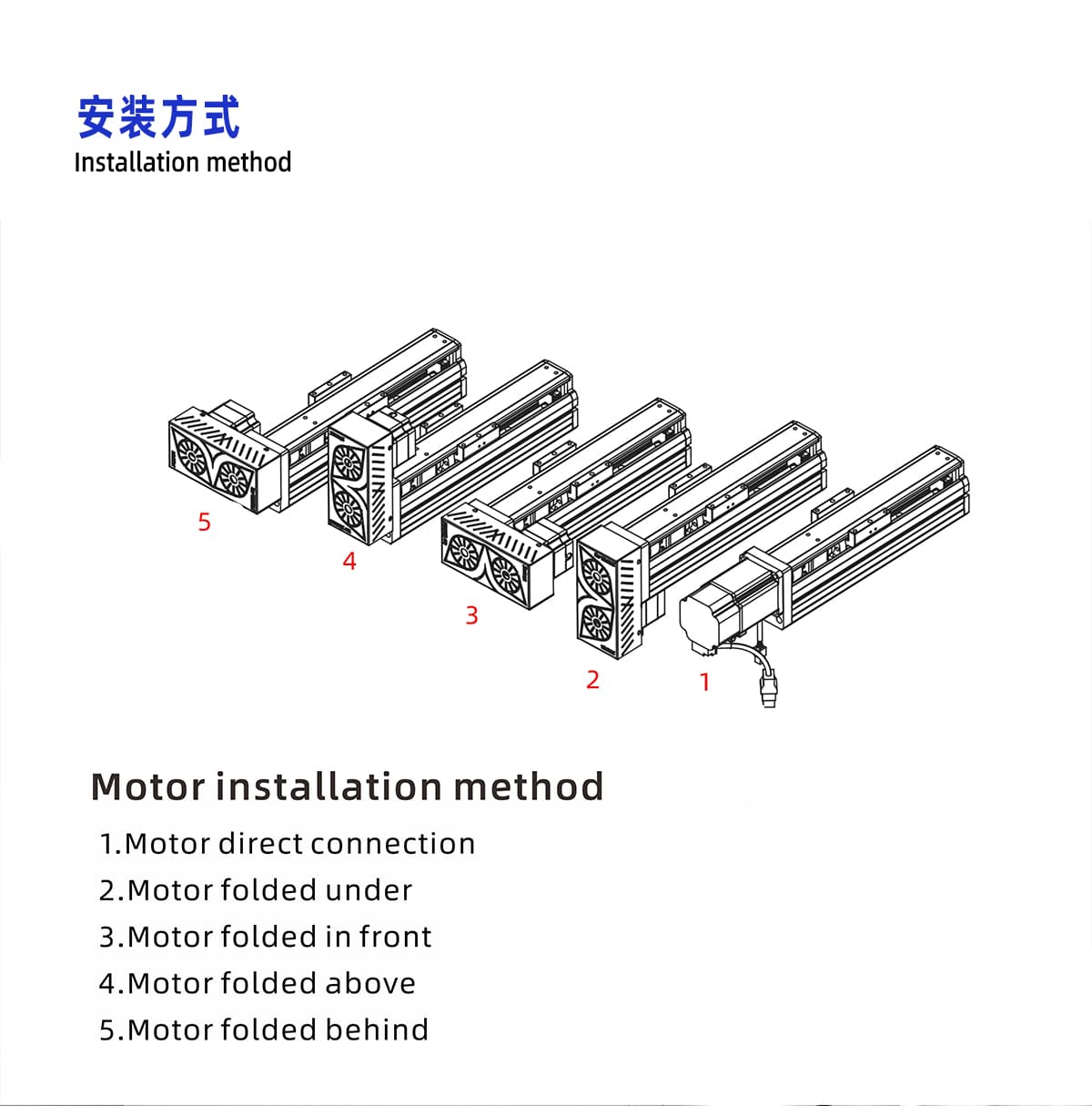
Leads are 5, 10, 25 and 32 mm, all at 3000 rpm: 250, 500, 1250 and 1600 mm/s. The motor interface takes NEMA 34 or 42 steppers and 750 W or 1.0 kW servos. Output shaft is 15 mm or 17 mm.
Basic parameters
| Parameter | Value |
|---|---|
| Repeatability | ±0.01 mm |
| Ball screw | Φ32 mm, C7 grade (a second diameter is available on request) |
| Linear guide rail | 25 mm × 2 (dual rail) |
| Lead | 5 / 10 / 25 / 32 mm |
| Maximum speed | 250 / 500 / 1250 / 1600 mm/s |
| Maximum load, horizontal | 200 / 180 / 95 / 70 kg |
| Maximum load, vertical | 80 / 60 / 40 / 30 kg |
| Standard stroke | 100-1200 mm |
| Output shaft diameter | 15 mm / 17 mm |
| Mountable motor | NEMA 34 / 42 stepper, 750 W / 1.0 kW servo |
| Module weight | 20.86-51 kg |
Lead and load
Two of the four leads are for moving heavy things slowly, two are for moving lighter things fast. The gap between them is wider here than on any other model.
| Lead | Max speed | Load horizontal | Load vertical |
|---|---|---|---|
| 5 mm | 250 mm/s | 200 kg | 80 kg |
| 10 mm | 500 mm/s | 180 kg | 60 kg |
| 25 mm | 1250 mm/s | 95 kg | 40 kg |
| 32 mm | 1600 mm/s | 70 kg | 30 kg |
The 32 mm lead reaches 1600 mm/s, which is the fastest module we build - but it also cuts the horizontal load to 70 kg. If the load is above 100 kg, the 10 mm lead is the practical choice and the cycle time has to come from elsewhere.
Stroke, overall length and weight
Overall length is the stroke plus 405 mm, the largest fixed allowance in the range. Profile and cover plate run 25 mm shorter.
| Stroke | Overall length | Profile length | Cover plate length | Weight |
|---|---|---|---|---|
| 100 mm | 505 mm | 480 mm | 480 mm | 20.86 kg |
| 300 mm | 705 mm | 680 mm | 680 mm | 26.34 kg |
| 600 mm | 1005 mm | 980 mm | 980 mm | 34.56 kg |
| 900 mm | 1305 mm | 1280 mm | 1280 mm | 42.78 kg |
| 1200 mm | 1605 mm | 1580 mm | 1580 mm | 51 kg |
Weight rises by about 2.7 kg per 100 mm - the steepest of the range, because the rails and the carriage scale with it. A 1200 mm 210S weighs 51 kg before you add the motor.
Where the 210S sits in the range
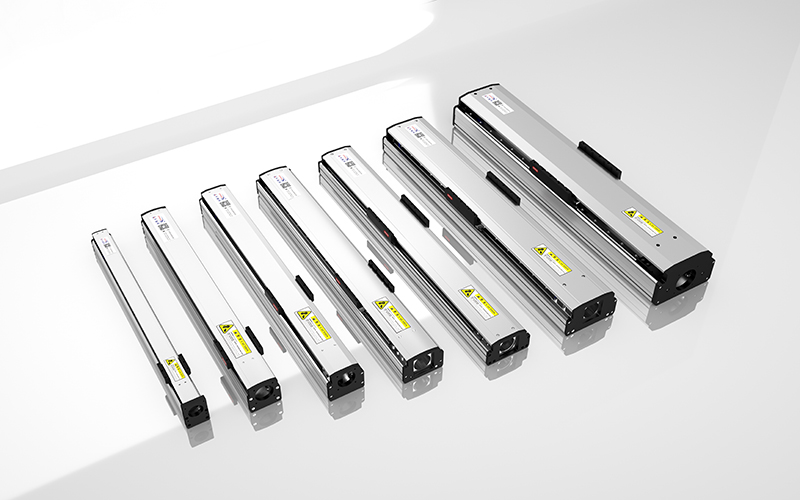
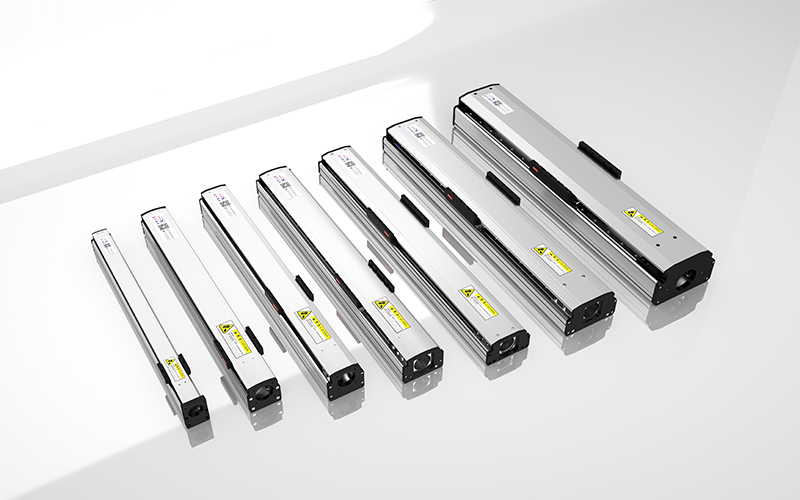
It is the top of the series: 200 kg against the JFJK170S at 130 kg, and ten times the JFJK86S at 20 kg. If the load is under 100 kg and the stroke is under a metre, a 170S or a 135S will usually be the cheaper and lighter answer - a 210S exists to carry mass and resist moment, not to be oversized for a light axis.
FAQ
Which screw diameter should I specify?
Φ32 mm is the standard heavy-duty screw and the one the load table above refers to. A second diameter is available for applications where the inertia of a Φ32 screw costs more than it gains - tell us the payload and acceleration and we will say which one to use.
What is the vertical rating?
80 kg on the 5 mm lead, 60 kg on 10 mm, 40 kg on 25 mm, 30 kg on 32 mm. A 200 kg horizontal load does not translate into a 200 kg vertical one, so size the brake and the motor on the vertical figure.
15 mm or 17 mm output shaft?
It follows the coupling and the motor you choose. A NEMA 42 with a 17 mm shaft does not need an adapter coupling; a smaller motor usually takes the 15 mm version.
Send the stroke, the lead, the payload and how it is mounted on the carriage, and we will confirm the rails and screw before quoting.